The Ultimate Guide To Framing Streets
The Best Guide To Framing Streets
Table of Contents8 Simple Techniques For Framing StreetsFraming Streets for BeginnersThe Main Principles Of Framing Streets Not known Factual Statements About Framing Streets What Does Framing Streets Do?The Best Guide To Framing Streets
Digital photography category "Crufts Canine Program 1968" by Tony Ray-Jones Street photography (additionally occasionally called honest photography) is photography conducted for art or questions that includes unmediated opportunity experiences and arbitrary occurrences within public places, normally with the objective of capturing photos at a decisive or poignant minute by cautious framing and timing. 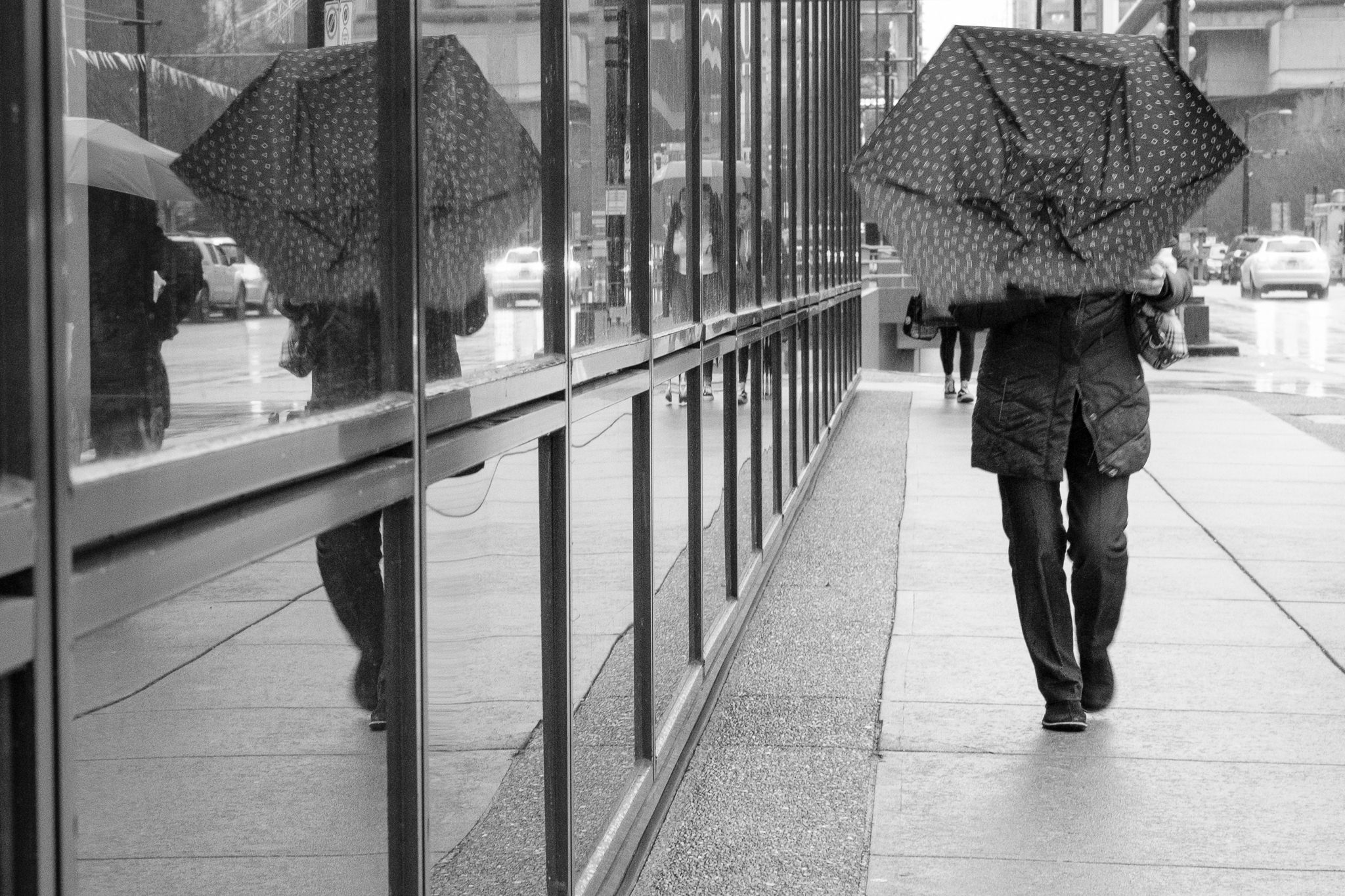
How Framing Streets can Save You Time, Stress, and Money.
Susan Sontag, 1977 Road digital photography can concentrate on individuals and their behavior in public. In this respect, the road digital photographer resembles social docudrama photographers or photojournalists who additionally function in public areas, however with the objective of capturing newsworthy occasions. Any of these digital photographers' photos might record individuals and home visible within or from public locations, which often involves browsing honest problems and laws of personal privacy, protection, and residential or commercial property.
Representations of daily public life form a genre in almost every period of globe art, starting in the pre-historic, Sumerian, Egyptian and very early Buddhist art periods. Art handling the life of the road, whether within sights of cityscapes, or as the dominant motif, shows up in the West in the canon of the North Renaissance, Baroque, Rococo, of Romanticism, Realism, Impressionism and Post-Impressionism.
The Of Framing Streets
Louis Daguerre: "Blvd du Temple" (1838 or 1839) In 1838 or 1839 the initial photo of numbers in the street was recorded by Louis-Jacques-Mand Daguerre in one of a set of daguerreotype views extracted from his studio home window of the Blvd du Holy place in Paris. The second, made at the elevation of the day, shows an uninhabited stretch of road, while the various other was taken at regarding 8:00 am, and as Beaumont Newhall reports, "The Blvd, so continuously filled with a moving bunch of pedestrians and carriages was completely singular, except an individual that was having his boots combed.
Subsequently his boots and legs were well defined, but he is without body or head, due to the fact that these remained in movement." Charles Ngre, waterseller Charles Ngre. https://www.viki.com/users/framingstreets1/about was the very first digital photographer to achieve the technological sophistication needed to sign read review up people in motion on the road in Paris in 1851. Photographer John Thomson, a Scotsman dealing with reporter and social activist Adolphe Smith, published Road Life in London in twelve month-to-month installations starting in February 1877
The Facts About Framing Streets Uncovered
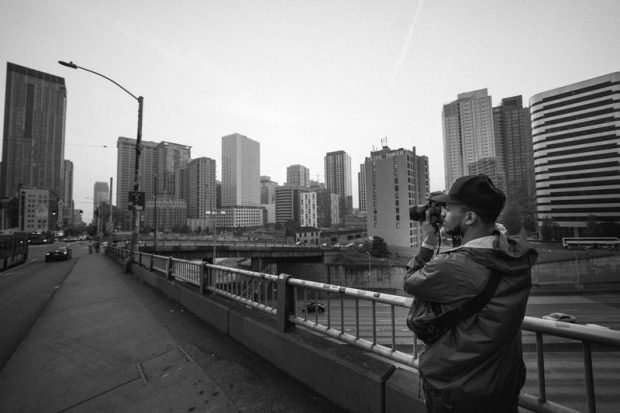
Eugene Atget is considered as a progenitor, not due to the fact that he was the first of his kind, but as a result of the popularisation in the late 1920s of his document of Parisian roads by Berenice Abbott, who was motivated to undertake a similar documents of New york city City. [] As the city created, Atget aided to advertise Parisian streets as a worthy topic for digital photography.
Top Guidelines Of Framing Streets
The chief Mass-Observationists were anthropologist Tom Harrisson in Bolton and poet Charles Madge in London, and their very first record was produced as guide "May the Twelfth: Mass-Observation Day-Surveys 1937 by over two hundred viewers" [] Home window cleaner at Kottbusser Tor, Berlin, by Elsa Thiemann c. 1946 The post-war French Humanist College digital photographers discovered their subjects on the road or in the bistro. In between 1946 and 1957 Le Groupe des XV annually exhibited work of this kind. Andre Kertesz. Circus, Budapest, 19 May 1920 Road digital photography formed the major material of 2 events at the Museum of Modern Art (Mo, MA) in New York curated by Edward Steichen, Five French Professional Photographers: Brassai; Cartier-Bresson, Doisneau, Ronis, Izis in 1951 to 1952, and Post-war European Photography in 1953, which exported the idea of road digital photography worldwide.

Framing Streets Can Be Fun For Everyone
The recording device was 'a hidden electronic camera', a 35 mm Contax hidden below his layer, that was 'strapped to the breast and connected to a lengthy cable strung down the best sleeve'. His job had little modern impact as due to Evans' level of sensitivities about the creativity of his project and the personal privacy of his subjects, it was not released till 1966, in the book Several Are Called, with an intro created by James Agee in 1940.
Helen Levitt, after that an educator of young kids, connected with Evans in 193839. She documented the transitory chalk illustrations - copyright a7iv that belonged to kids's road culture in New york city at the time, along with the children who made them. In July 1939, Mo, MA's brand-new digital photography area included Levitt's operate in its inaugural exhibitRobert Frank's 1958 publication,, was significant; raw and commonly out of focus, Frank's images questioned traditional digital photography of the time, "challenged all the formal regulations laid down by Henri Cartier-Bresson and Walker Evans" and "flew in the face of the wholesome pictorialism and genuine photojournalism of American publications like LIFE and Time".